3 hr
International Stadium Muay Thai Fight Night
Watch Thailand's national sport come alive with professional fighters battling in the ring
Reserve
Hand-picked by our editors — only the best 5 experiences from 12 reviewed.
Verified partners for every tour, free cancellation where available, and instant confirmation on every booking.
3 hr
Watch Thailand's national sport come alive with professional fighters battling in the ring
Reserve
2 hr 50 min
Watch elite Thai boxers compete in 8 live matches at Koh Samui's premier combat sports arena
Reserve
3 hr
Experience Thailand's national sport at the world's first professional Muay Thai arena
ReservePrices from verified partners. Availability updates in real time at checkout. Free cancellation policies apply where shown.
The landmarks, rooms, and views travelers on this tour remember — all visible on a single visit.
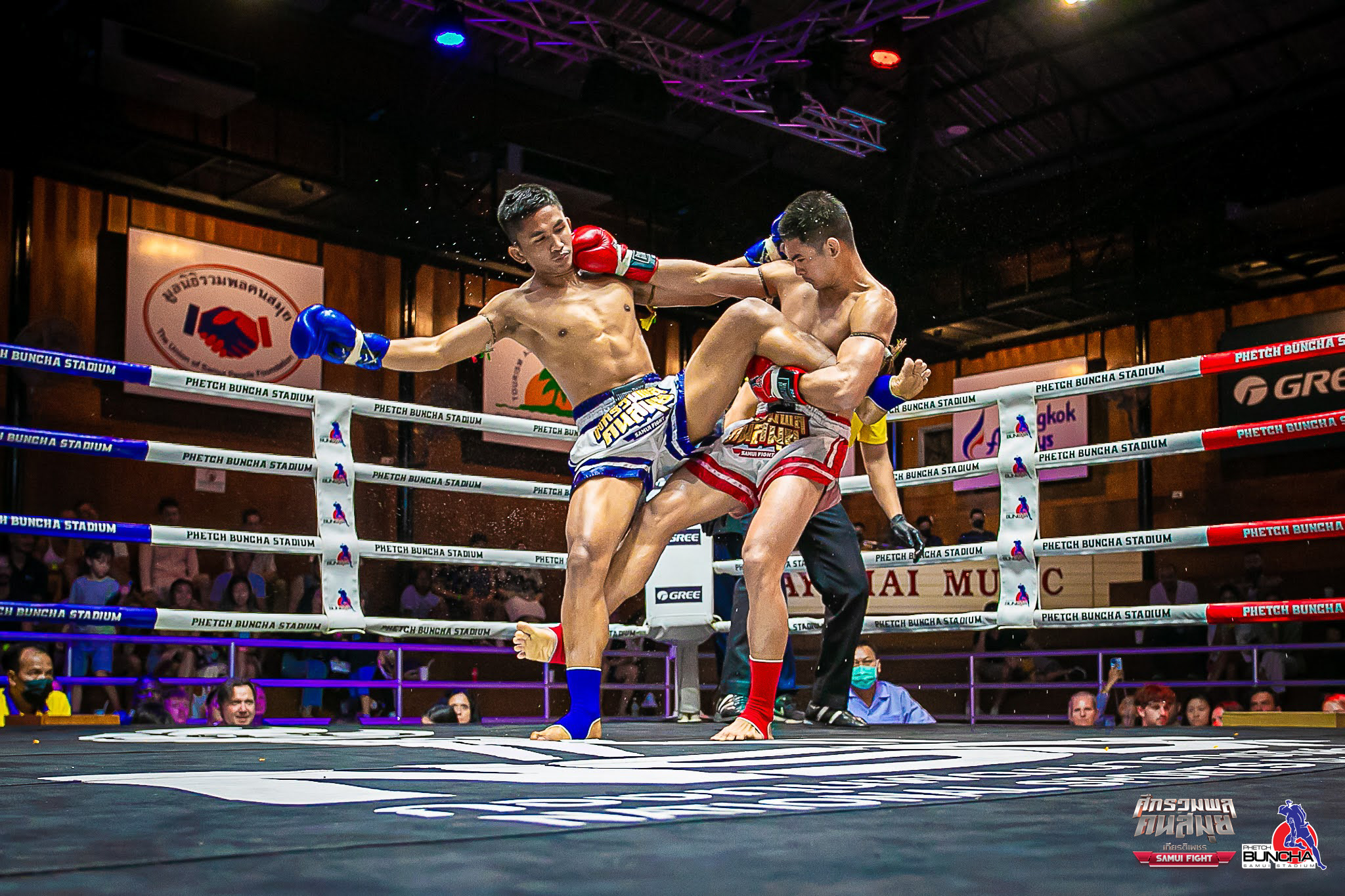
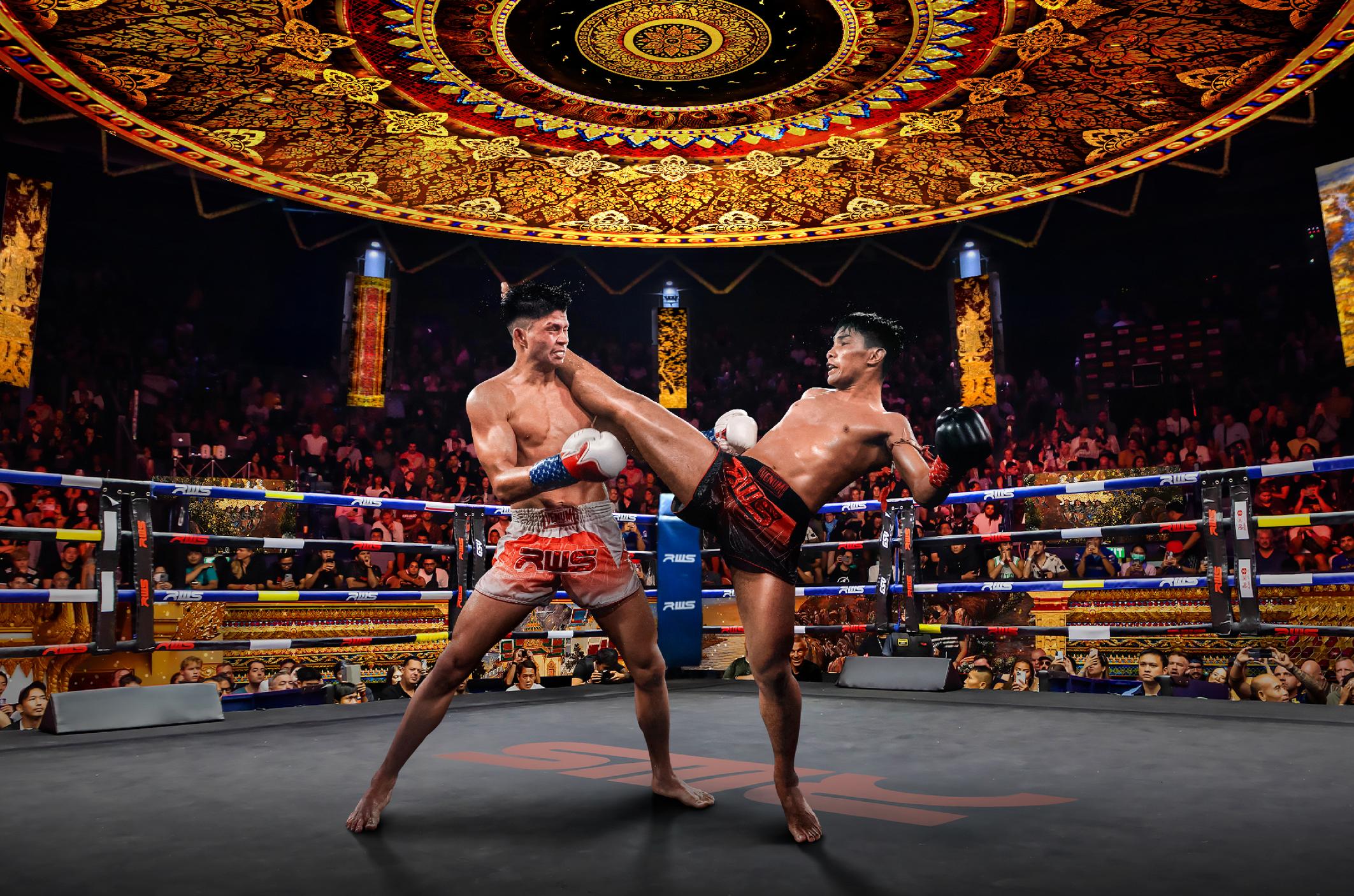
The center of all action where fighters demonstrate their skills. This raised platform is where every samui muay thai fight reaches its peak intensity.
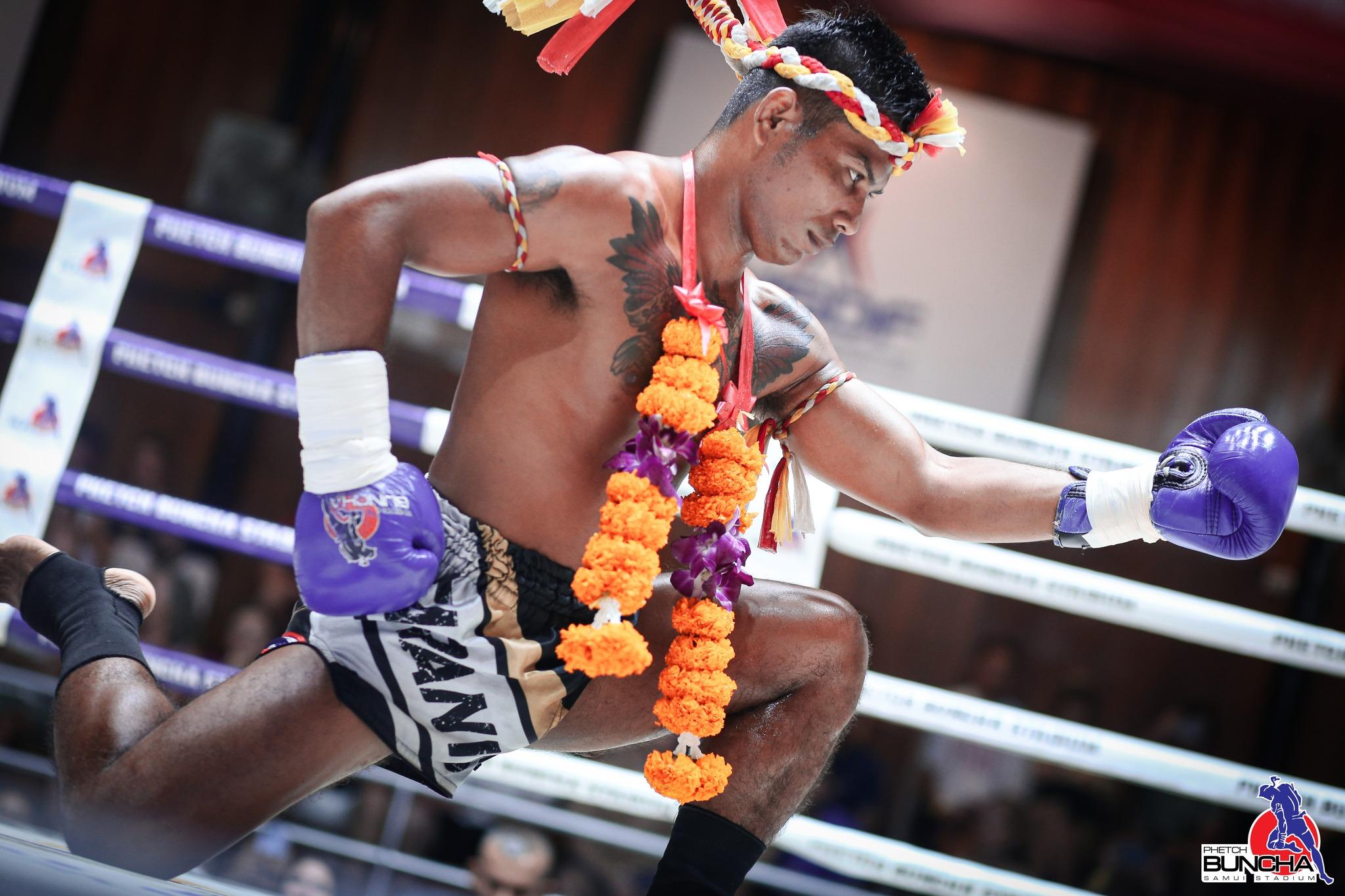
The space dedicated to the traditional pre-fight ritual. It allows fighters to show respect to their mentors before the samui muay thai fight begins.
These stalls provide cold drinks and snacks for attendees. Essential for staying refreshed during the intense heat of a summer samui muay thai fight.
Standard stadium seats providing clear views of the ring. These areas fill up quickly during every samui muay thai fight.
The designated zones where coaches prepare their fighters. You can observe the intense focus and strategy before each samui muay thai fight.
These venues offer distinct experiences; most visitors find the Samui International Stadium provides a more spacious environment, while Phetch Buncha is favored for its central nightlife intensity. Planning your samui muay thai fight tour requires balancing these different competitive atmospheres.
| Feature | Top pick Samui International Stadium | Phetch Buncha Stadium |
|---|---|---|
Atmosphere |
Open-air and grand | Intense and compact |
Fight Card Quality |
Standard professional bouts | Professional and local circuit |
Venue Size |
Large stadium capacity | Intimate mid-size venue |
Location Convenience |
Accessible via Leam-Din Market | Located in central Chaweng |
Accessibility for Tourists |
Clear seating layout | Crowded high-energy environment |
| See tickets → |
Verdict: Securing samui muay thai fight tickets for the larger stadium is ideal for those prioritizing comfort, whereas choosing the smaller rival offers a more focused encounter with the sport's traditional clinch and striking techniques found in various samui muay thai fight tours.
Choose your ticket, select your date, and reserve in under two minutes. Secure checkout handled by our verified partner.
Instant confirmation by email, with a mobile voucher you can save offline. No printing, no queuing at a collection desk.
Arrive at the entrance, show your voucher on your phone, and walk in. Most tickets include priority or skip-the-line access.
Practical details for your visit straight from our verified partners — hours, access, rules, and how to get there.
3/4 Moo 2, Leam-Din Market
Main entrance gates
The most reliable way to reach the stadium from Chaweng hotels.
Parking is available near Leam-Din Market for private vehicles.
Casual comfortable clothing is recommended for attending a samui muay thai fight. Avoid overly formal wear as the stadium is an open-air venue.
Small personal bags are permitted inside the Samui International Stadium. Security staff may conduct checks at the entrance before allowing guests to watch a samui muay thai fight.
Photography is permitted for personal use during your samui muay thai fight experience. Please refrain from using flash to avoid distracting the athletes in the ring.
The stadium offers ground-level seating, making it accessible for most visitors. Staff can assist guests with limited mobility to their seats upon arrival for the samui muay thai fight.
Mobile phones are permitted for capturing the Wai Khru ritual. Please keep devices on silent to maintain focus during the matches.
Families are welcome to attend, though children should be supervised at all times. The energetic atmosphere of a samui muay thai fight is often enjoyed by older children and teens.
Refreshments are available for purchase at the stadium concession stands. Enjoy cold beverages while observing the intense combat sports action at the Samui International Stadium.
Pets are not allowed inside the stadium facilities. Please make alternative arrangements for your animals before attending.
The atmosphere is authentic and loud. Expect classic traditional Thai music to accompany the fighters during the event.
Best time to go, insider tips, nearby landmarks, and the cancellation fine print — flip through to skim what matters to you.
How crowds, weather, and events shift across the year.
August offers warm evenings perfect for open-air stadium viewing. Crowds are steady during the peak holiday period.
Small details that turn a good visit into a great one.
Aim for 21:00 to secure your seat and see the pre-match ceremonies. This is the best way to soak in the atmosphere of a samui muay thai fight.
The venue can get warm during humid summer nights. Purchase water at the stadium kiosk.
The Wai Khru ritual is a sacred part of the sport. Observe respectfully as fighters pay tribute to their teachers.
Non-bookable sights within a short walk — free to visit, easy to pair.
A long stretch of white sand perfect for daytime relaxation before evening fights.
Iconic Big Buddha statue overlooking the northern coast of the island.
Flexible, no hidden fees.
Cancellations must be requested at least 24 hours before the event start time. Refunds are processed minus the 1,500 THB entrance fee if booking conditions are met.
Hand-picked options within walking distance — pick a district for vibe, or a specific hotel for convenience.
Conveniently located near the stadium for easy access to events.
High-end stay with premium amenities in Chaweng.
Samui International Stadium opens its doors on Tuesday, Friday, and Sunday evenings at 21:00, staging seven to nine live bouts that compress five centuries of martial discipline into two and a half hours. The stadium anchors Leam-Din Market in Chaweng, a neighborhood that has transformed from fishing settlement to the island's commercial spine while preserving the ceremonial framework that predates the Ayutthaya Kingdom. Each fight card follows the rhythm established in the 16th century: lighter weight classes open the evening, escalating toward the main event, a pattern that allows spectators to track technique as the intensity builds. Muay Thai emerged from krabi krabong battlefield training during the wars with Burma, codified under King Naresuan and later formalized under Rama V, who introduced weight divisions and timed rounds. The sport remained insular until the 1920s, when Bangkok's Rajadamnern and Lumpinee stadiums standardized rules and drew international attention. Koh Samui's stadium culture arrived later, in the 1990s, as tourism infrastructure expanded and fighters from Surin, Buriram, and Nakhon Ratchasima began rotating through island circuits to supplement income between Bangkok championship bouts. Today's Samui cards feature a mix of Thai contenders building records and foreign practitioners testing skills against traditional stylists, a competitive ecology that distinguishes island shows from the capital's elite matchups. The Wai Khru Ram Muay, performed before each bout, is not pageantry but calibration: fighters circle the ring in homage to teachers, parents, and the gym that sponsored their training, accompanied by the pong lang ensemble's rising tempo. The ritual serves as warm-up and psychological threshold, a moment when the fighter transitions from individual to embodiment of lineage. Observers note the variation in style—northern Ram Muay incorporates slower, more theatrical movements, while southern forms compress the sequence into tighter, faster gestures. Samui fighters often blend regional traditions, reflecting the island's role as a crossroads for Surat Thani's southern style and the influences carried by trainers from Bangkok and the northeast. Standard stadium seating positions spectators four to six meters from the canvas, close enough to hear the impact of shin against ribcage and the corner's Isaan-dialect instructions between rounds. The 1,500-baht entry includes access to the live band, whose sarama musicians adjust tempo to match fight intensity, accelerating during exchanges and pulling back during clinch sequences. This auditory dimension, absent from televised broadcasts, shapes the kinetic experience and explains why stadium attendance remains central to understanding the sport's structure and rhythm, even as international streaming platforms broaden access to championship-level cards.
"The Wai Khru is not pageantry but calibration, a threshold where the fighter transitions from individual to embodiment of lineage."
A step-by-step walkthrough of the visit — what you'll see, how long each stage takes, and the details that matter.
You arrive at Samui International Stadium between 21:00 and 21:30, securing your seat before the first Wai Khru begins. The Leam-Din Market location places the venue a short walk from Chaweng's beachfront hotels, and the open-air structure lets island humidity mix with the scent of liniment and incense from the corner altars. The pong lang ensemble sits stage left, their repertoire already audible as you settle into standard stadium seating four rows back from the canvas. The first fighter enters, headband and armbands in place, and begins the Ram Muay—slow circles, pauses at each corner post, hands pressed in wai position. The sarama's tempo climbs as the ritual concludes, and the opening bell sounds. You watch the pattern repeat across seven bouts: lighter weight classes first, technique-focused, then the gradual escalation toward the main event's heavier, more explosive exchanges. Between rounds, cornermen work quickly—water, petroleum jelly on brows, sharp Isaan instructions that cut through crowd noise. The evening concludes near 23:30, the final bout's decision announced, and you step back into Chaweng's night market corridor, the stadium's floodlights dimming behind you. The structure is simple: arrive on time, witness the ritual framework, stay through the full card to understand how intensity builds across weight classes and experience levels.
The stadium is open Tuesday, Friday, and Sunday from 21:00–23:30.
Yes, the entrance fee is 1,500 THB per adult visitor for a standard stadium seat.
The best arrival window is 21:00–21:30 to witness the ritual and find your seat.
Yes, families are welcome to attend the matches at Samui International Stadium.
External food is generally not permitted; refreshments are sold at the venue.
Yes, photography for personal use is allowed during your samui muay thai fight visit.
Please use the booking system on this page to secure your samui muay thai fight tickets.
Yes, the stadium provides accessible seating for those attending a samui muay thai fight.
Cancellations require 24 hours notice for a refund, excluding the 1,500 THB fee.
Yes, Chaweng Beach is a short distance from the Samui International Stadium.